
Why Daylight Deserves More Attention
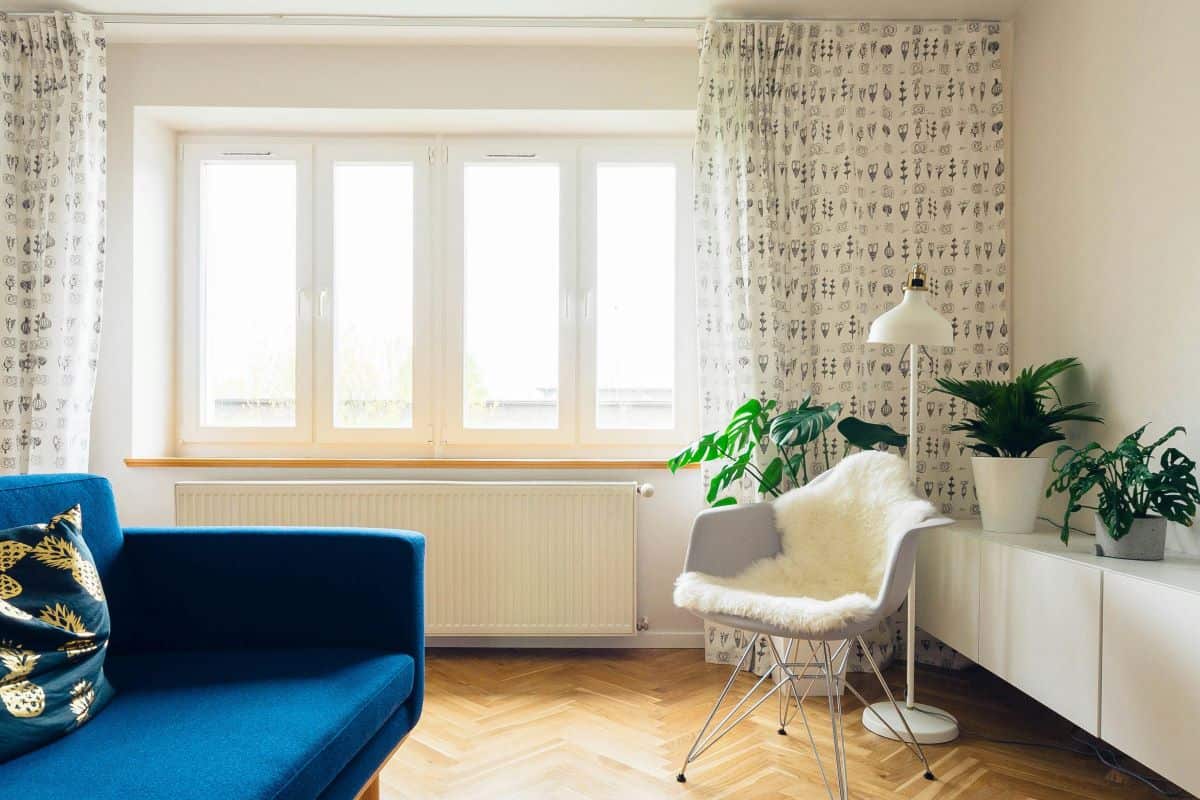
Natural light can influence how a home looks, feels, and functions throughout the day. A bright living area may feel welcoming, while a room with limited daylight might require artificial lighting more frequently. Window placement and the surrounding buildings can also affect privacy, indoor temperature, and the overall atmosphere of a space.
For buyers exploring residential properties in Singapore, evaluating natural light is a useful part of comparing unit layouts. However, a bright showroom does not necessarily represent the lighting conditions of every available unit.
Understanding how orientation, window design, and nearby structures affect daylight can help buyers make a more informed choice.
Understand the Relationship Between Sunlight and Comfort
Singapore’s tropical climate means sunlight can bring both benefits and challenges. Daylight can make interiors feel more open, but direct sun exposure may also increase heat, particularly during warmer parts of the day.
The direction a unit faces is one factor to consider, although it does not determine the complete indoor experience. Floor level, surrounding buildings, window dimensions, shading, and room layout can all influence the amount of sunlight entering a property.
Buyers should therefore avoid assuming that one orientation is universally superior. The most suitable option depends on household preferences, daily routines, and the specific characteristics of the unit.
For example, someone who spends much of the day at home may pay closer attention to glare and temperature, while another buyer may prioritise a bright dining area for morning activities.
Observe How Light Moves Through a Room
A single property viewing may provide only a limited picture of natural lighting. If possible, visit at different times or ask the relevant sales representative about the orientation and position of the unit being considered.
Notice which rooms receive direct sunlight and which rely mainly on indirect daylight. Check whether neighbouring buildings or architectural features appear likely to obstruct the view of the sky.
Consider how you intend to use each space. A home office may benefit from consistent daylight without excessive glare on computer screens. Bedrooms may require effective window coverings to support comfortable sleeping conditions.
These practical observations are more useful than relying exclusively on general descriptions such as bright, airy, or sunlit.
Examine Window Placement at Solano Grand
Prospective buyers researching Solano Grand can review the official floor plans and available information about unit orientation to understand how daylight may enter different rooms.
Pay attention to the position of living room windows, bedroom openings, and any balcony included in the selected layout. The arrangement may influence both the distribution of daylight and the opportunities for ventilation, subject to the actual design.
Buyers should also consider their furnishing plans. A large wardrobe or tall shelving unit placed near a window may reduce the amount of daylight reaching other parts of a room.
Where possible, confirm the orientation of the specific unit rather than relying on a general site plan. Different units within the same development may experience different lighting conditions because of their positions, heights, and surroundings.
Choose Window Treatments With Care
Window coverings help residents manage sunlight, privacy, and indoor comfort. Curtains, blinds, and other suitable treatments can be selected according to the room’s purpose and the amount of light control required.
Bedrooms may benefit from coverings that block unwanted light, while living areas may need flexible options that allow daylight to enter without sacrificing privacy.
Material choice also matters. Some coverings provide better light control, while others allow more diffuse daylight to pass through. Buyers should consider maintenance requirements and whether the chosen solution suits the window dimensions.
Any external additions or alterations must comply with the relevant property rules. Homeowners should verify what is permitted before installing external shading systems or modifying windows.
Assess the Surroundings of Wynwood Grand
When exploring Wynwood Grand, prospective purchasers can investigate how the unit’s position relates to surrounding buildings and the wider Woodlands area.
Reviewing the official unit plans and available orientation information can help buyers understand the likely direction of windows and living spaces. They should also consider whether nearby structures could influence views, privacy, or daylight.
It is important to distinguish between a current view and conditions that could change. Buyers can review reliable planning information where relevant, but should not assume that future development will follow a particular outcome unless confirmed.
The goal is to understand the actual characteristics of the unit rather than make a decision based on broad assumptions about the neighbourhood.
Balance Daylight With Energy Use
Natural light can reduce the need for artificial lighting during certain hours, but indoor comfort also affects energy consumption. If sunlight significantly increases indoor heat, residents may rely more heavily on air-conditioning.
Practical choices can help balance these considerations. Suitable curtains, efficient lighting, and thoughtful furniture placement may improve comfort without major alterations.
Buyers should also consider the energy efficiency of household appliances and the way they expect to use each room. A comfortable home depends on several factors working together, not on sunlight alone.
Conclusion
Natural lighting is an important but sometimes overlooked part of residential property selection. Window placement, orientation, nearby buildings, and room arrangement can influence how comfortable a home feels throughout the day.
By reviewing verified unit information and observing the property carefully, buyers can make a more confident assessment. The best choice is one that balances daylight, privacy, indoor comfort, and the household’s everyday routines.
More Stories
Beyond the Floor Plan — How Everyday Convenience Shapes Singapore Homebuying Decisions
Understanding Singapore Property Amenities and Everyday Convenience
Understanding Modern Family Living in Singapore