
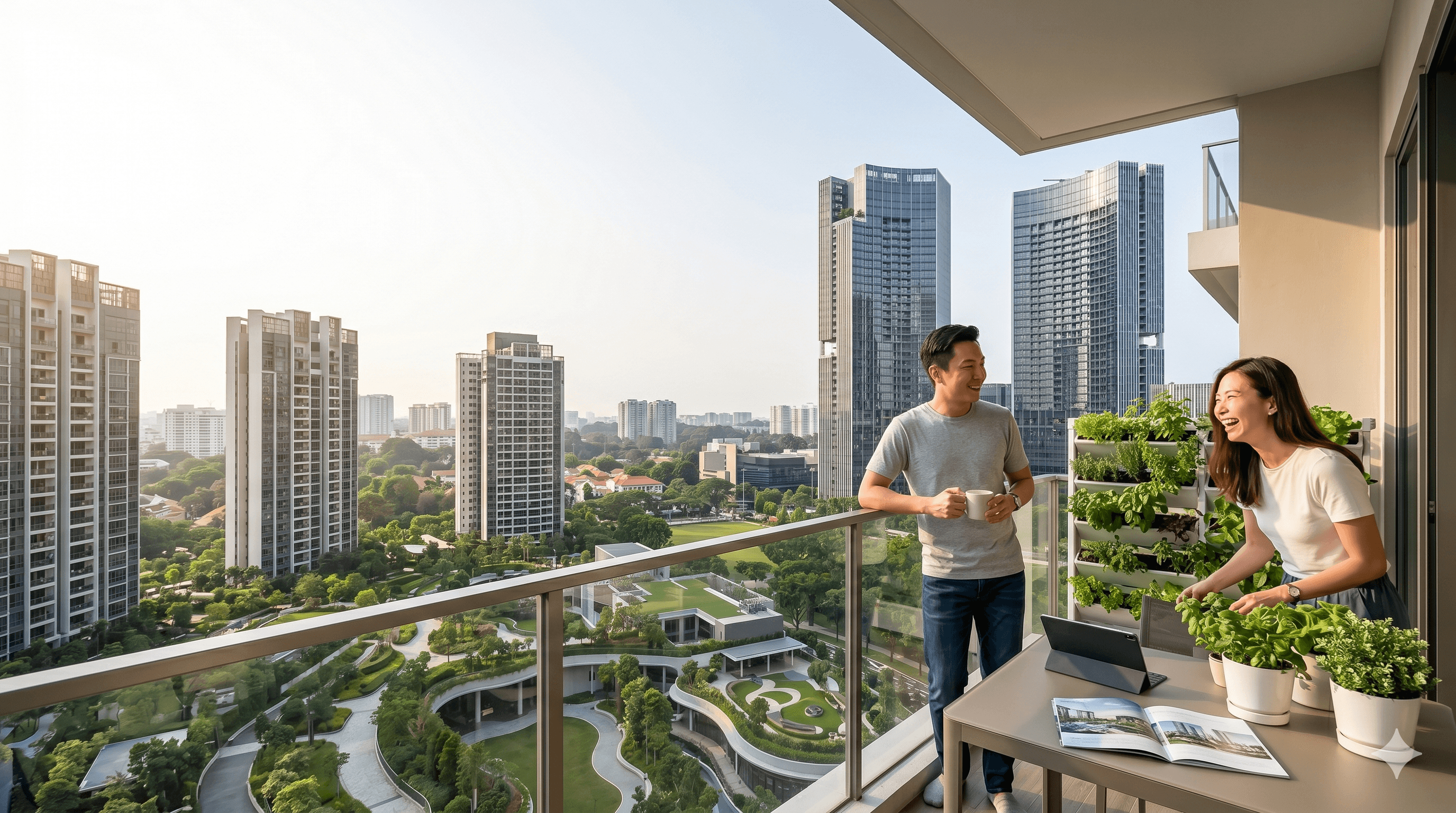
When comparing residential properties in Singapore, amenities can provide useful clues about how a development may fit into everyday life. However, the number of facilities listed in a property description does not necessarily tell buyers how useful those facilities will be.
A better approach is to consider amenities according to lifestyle. Different households use their homes and neighbourhoods in different ways, so buyers should identify the facilities that genuinely matter to them before comparing developments.
From recreational spaces and shopping destinations to dining options and essential services, convenience can come from a combination of facilities inside a development and those located nearby.
What Counts as a Useful Property Amenity?
Amenities can generally be divided into two broad categories: facilities within the development and services available in the surrounding neighbourhood.
Internal facilities may include swimming pools, fitness areas, gardens, lounges or communal spaces. External amenities can include supermarkets, schools, restaurants, shopping centres, parks and healthcare services.
Both can contribute to residential convenience.
However, buyers should consider frequency of use. A facility that looks impressive may have little relevance if it does not match the household’s lifestyle.
One Chuan Grove and Its Surrounding Amenities
One Chuan Grove can be researched by considering both the development and the amenities available in the wider Chuan Grove and Lorong Chuan area.
Prospective residents can identify the services they are most likely to use and examine their accessibility from the property.
For families, this might include educational institutions, supermarkets and recreational areas. Working professionals may focus more on dining choices and convenient transport connections.
This type of research provides a more practical picture than simply listing every facility within a certain distance.
Recreational Facilities and Lifestyle
Recreational facilities can contribute to the appeal of condominium living.
A swimming pool may provide an alternative to travelling elsewhere for exercise, while a gym can make regular workouts more convenient. Landscaped spaces can provide quieter areas within a development.
Yet buyers should think about how these facilities fit their routine.
Someone who exercises regularly may use a gym frequently, while another resident may prefer jogging outdoors. Families may place greater importance on open spaces or areas where children can spend time.
The usefulness of an amenity depends on the resident.
Shopping and Essential Services
Everyday convenience often comes from simple services rather than major attractions.
Supermarkets, pharmacies, clinics and food outlets can make a noticeable difference to residential routines.
Being able to purchase groceries nearby or find a quick meal without making a long journey can save time over the course of a normal week.
Buyers should therefore investigate the practical services surrounding a property.
It can be helpful to create a short list of essential errands and determine where each one would take place.
Dining Options Can Shape a Neighbourhood
Restaurants and cafés can contribute to the atmosphere of a residential district.
Some people enjoy having numerous dining choices close to home, while others prefer quieter surroundings.
The presence of food outlets can also indicate how an area is used throughout the day. A district with many restaurants may become more active during evenings and weekends.
Potential residents should consider whether that atmosphere matches their preferences.
River Opus and Access to Lifestyle Destinations
River Opus is located in the River Valley area, where residents have access to an established urban setting.
Nearby destinations such as Great World and Robertson Quay contribute shopping, dining and lifestyle options to the wider neighbourhood.
The Singapore River is also an important feature of the surrounding environment.
For prospective residents, the key consideration is how these destinations fit into their own routines. Someone who enjoys dining and walking around urban neighbourhoods may use them regularly, while another household may have different priorities.
Parks and Outdoor Amenities
Outdoor spaces are another useful consideration when researching residential property.
Parks, walking routes and recreational areas can provide alternatives to indoor facilities. They may also become part of a household’s regular routine, particularly for residents who enjoy exercise or outdoor activities.
When evaluating a location, buyers should look at accessibility rather than simply distance.
A short, comfortable route can make an outdoor space more useful than one that is technically nearby but difficult to reach.
Amenities for Different Life Stages
Property requirements can change as people move through different stages of life.
Young adults may prioritise restaurants, entertainment and transport. Couples starting a family may become more interested in schools and healthcare. Older residents may place greater emphasis on medical services, walkability and everyday convenience.
This is why amenities should be considered from a long-term perspective.
A property may need to support several different lifestyle stages rather than just the buyer’s current routine.
The Importance of Convenience Without Overcrowding
A highly amenity-rich neighbourhood can be convenient, but there may also be more activity.
More shops and restaurants can mean greater pedestrian movement and traffic. Some buyers may enjoy the energy, while others may prefer a calmer environment.
This is another reason to visit an area personally.
A daytime visit can provide one impression, while an evening or weekend visit may reveal a different side of the neighbourhood.
Create an Amenity Checklist
A simple checklist can make property comparisons easier.
Buyers can divide amenities into three categories:
- Essential: Facilities or services the household uses frequently.
- Useful: Features that would improve convenience but are not necessary.
- Optional: Facilities that are attractive but unlikely to affect daily life.
This prevents buyers from placing too much importance on features they may rarely use.
Looking Beyond the Property Boundary
One of the biggest mistakes in property research is focusing entirely on internal facilities.
A condominium may have an extensive selection of amenities, but residents still need to interact with the surrounding neighbourhood.
Groceries, schools, transport, healthcare and dining are generally external requirements.
The relationship between the development and these services can therefore be just as important as the facilities inside the property.
A Practical Approach to Comparing Homes
When comparing residential developments, buyers can ask several straightforward questions.
Which amenities will actually be used every week? How easy are essential services to reach? Does the neighbourhood provide the right balance of activity and privacy? Are there recreational options that fit the household’s interests?
These questions can make property research more personal and useful.
For people considering One Chuan Grove, studying the Chuan Grove surroundings alongside the development’s own features can help create a fuller picture of residential convenience.
For those researching River Opus, the River Valley environment offers a different combination of waterfront surroundings, shopping, dining and established urban amenities.
Ultimately, amenities are most valuable when they support real routines. A long list of facilities may look impressive, but practical convenience comes from having the right services and spaces available when residents actually need them.
By identifying personal priorities and exploring the neighbourhood directly, property buyers can make a more informed assessment of what everyday life could look like in a particular Singapore residential area.
More Stories
Beyond the Floor Plan — How Everyday Convenience Shapes Singapore Homebuying Decisions
Understanding Modern Family Living in Singapore
5 Unconventional Strategies to Skyrocket Your Business Growth in 2024