
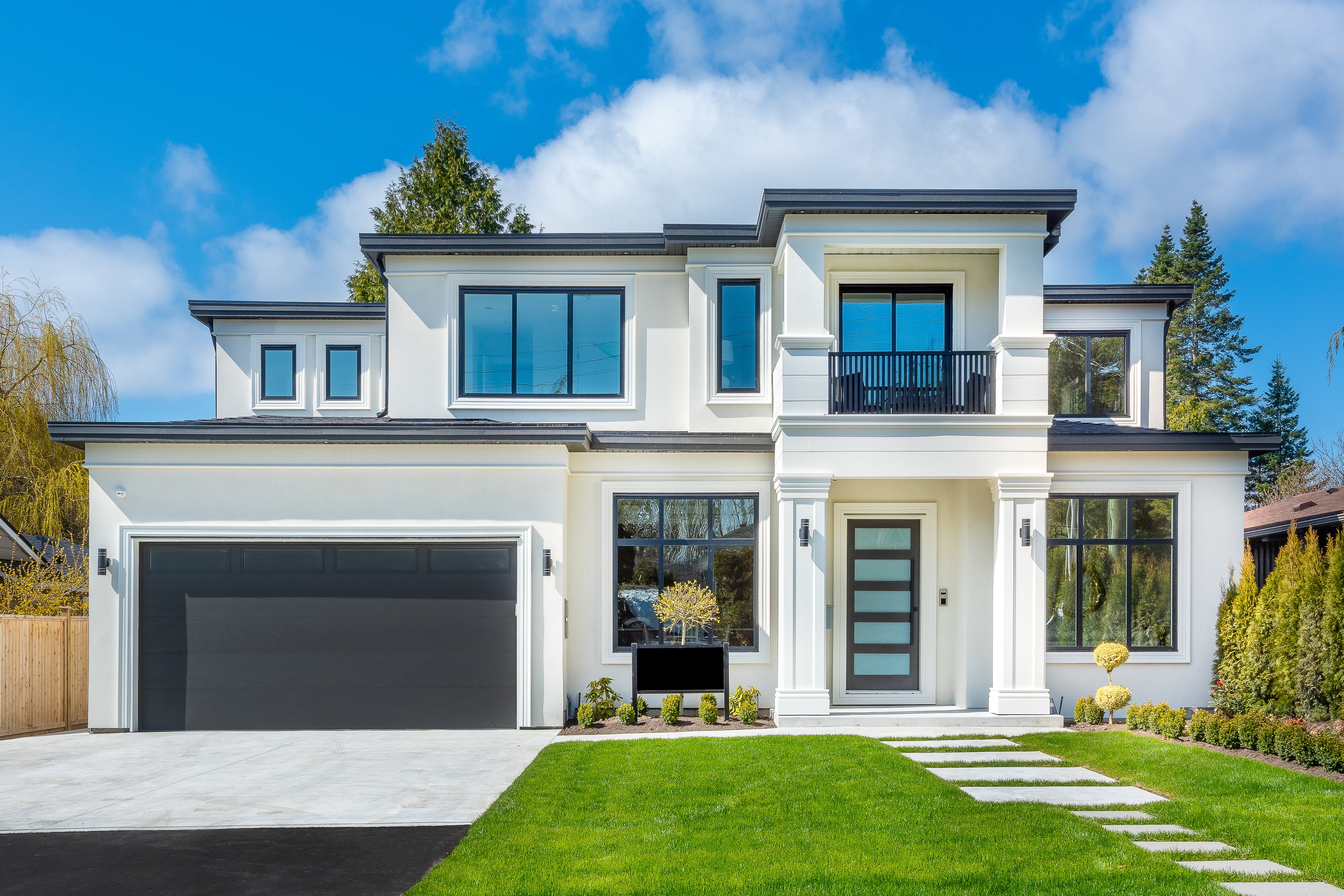
Singapore’s residential market offers homebuyers a wide range of choices, making it increasingly important for developments to provide meaningful advantages. Attractive architecture may create an initial impression, but long-term appeal depends on a combination of design, functionality, location, amenities, construction quality, and neighbourhood convenience. A residential development that stands out should respond to the practical needs of its residents while offering qualities that distinguish it from competing projects. For buyers, understanding these characteristics can make property comparisons more focused and useful.
Design That Serves Real Needs
Strong residential design begins with practicality. Efficient floor plans, sensible room proportions, useful storage, good natural lighting, and comfortable circulation can make a home easier to live in.
Visual appeal still matters, but attractive design should support everyday activities rather than exist purely for presentation. Buyers should examine whether furniture can be arranged comfortably, whether private and shared spaces are well separated, and whether rooms can adapt to changing household needs. Functional design can give a property lasting appeal beyond its first impression.
Amenities Should Offer Genuine Use
Modern developments often provide extensive lists of facilities, but quantity alone does not determine their value. Buyers should consider whether amenities are practical, accessible, and suitable for the people who will actually use them.
Swimming pools, gyms, gardens, lounges, playgrounds, and function rooms can support different lifestyles when thoughtfully planned. Developments such as The Serra Residences demonstrate why buyers may evaluate how residential facilities contribute to everyday convenience rather than simply counting the number of available features.
A Strong Connection With the Neighbourhood
A development does not exist in isolation. Nearby transport, schools, healthcare facilities, shopping destinations, dining areas, parks, and recreational spaces can significantly influence the residential experience.
Buyers should explore the surrounding streets and consider how easily they can reach frequently used destinations. A property with useful external amenities can offer greater flexibility and reduce the need for long journeys. The neighbourhood therefore forms an important part of a development’s overall appeal.
Quality Construction Builds Confidence
Construction quality can distinguish a development long after the initial purchase. Good workmanship, durable materials, reliable building systems, and effective waterproofing can support comfort and reduce maintenance concerns.
Buyers should look beyond decorative finishes when assessing quality. Details such as windows, doors, flooring, fixtures, drainage, and common areas can provide useful clues about construction standards. Reviewing the developer’s track record and completed projects can also help buyers form a more informed assessment.
Privacy Creates a Better Home Environment
Privacy can be especially valuable in a busy urban environment. Development density, unit orientation, lift arrangements, corridor design, and landscaping can influence how private a home feels.
Thoughtful planning can reduce unnecessary overlooking and congestion while maintaining opportunities for community interaction. Buyers should consider views between neighbouring units, the position of bedrooms, and the location of shared facilities. A development that balances social spaces with private areas can appeal to a broader range of households.
Sustainability Adds Practical Benefits
Environmental features are becoming more relevant to residential buyers. Energy-efficient appliances and systems, water-saving fixtures, natural ventilation, landscaping, and shaded outdoor spaces can support more responsible resource use.
Sustainability can also contribute to everyday comfort. Good building orientation and greenery may improve the indoor and outdoor environment while reducing reliance on certain systems. Developments that integrate sustainability into their design can demonstrate a forward-looking approach without compromising residential functionality.
Technology Should Improve Daily Life
Smart residential technology can provide useful advantages when properly implemented. Digital access, security systems, lighting controls, energy monitoring, and home automation can simplify routine tasks.
The strongest technology features are those that residents can use easily and reliably. Buyers should consider whether systems can be upgraded over time and whether they genuinely solve everyday problems. Technology should enhance the home rather than become a complicated feature that adds little practical value.
Shared Spaces Encourage Community
Well-designed communal areas can help create a stronger sense of belonging. Gardens, social lounges, outdoor seating, recreational facilities, and multipurpose rooms can provide opportunities for residents to interact.
These spaces should be flexible enough to serve different activities and age groups. A development that encourages community without compromising privacy can create a more balanced residential environment. This can be particularly appealing to families and residents who value both social interaction and personal space.
Location and Accessibility Still Matter
Even the most impressive development can struggle to meet residents’ needs if the surrounding location is inconvenient. Access to MRT stations, bus routes, major roads, pedestrian paths, and essential services remains a fundamental consideration.
Projects such as Dunearn Green show why buyers may assess the relationship between a development and the wider urban environment. Accessibility can influence daily routines, visitor convenience, and long-term suitability, making it an important part of the overall property proposition.
Distinction Comes From the Complete Experience
A residential development stands out when its individual strengths work together. Good design, useful amenities, quality construction, privacy, sustainability, technology, community spaces, and neighbourhood access can collectively create a stronger living environment.
Homebuyers should avoid judging a project based on one standout feature. Instead, they should consider how the property performs across the areas that matter most to their household. In a competitive market, developments with thoughtful fundamentals and genuine everyday benefits are more likely to leave a lasting impression.
More Stories
Understanding Singapore Property Amenities and Everyday Convenience
Understanding Modern Family Living in Singapore
5 Unconventional Strategies to Skyrocket Your Business Growth in 2024