
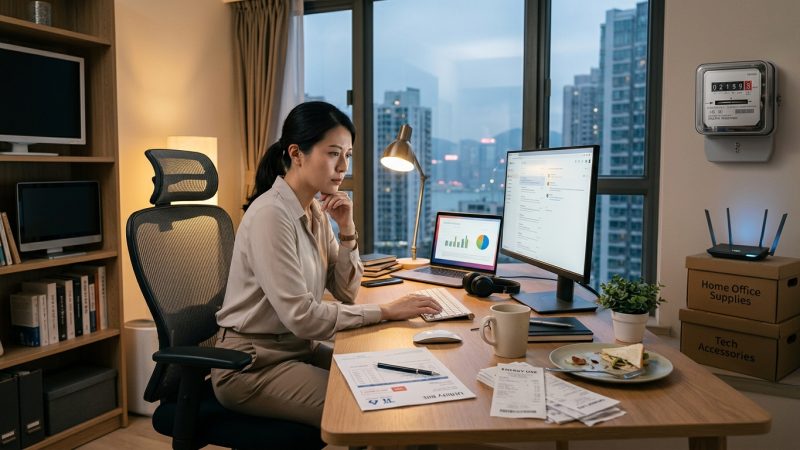
A writer once spent a month testing the three most common setups. One day a week at the office, one at a coffee shop, and one at home. She tracked real-time on-task progress with logging software and noted how each day felt. The numbers did not match what most advice claims.
Hybrid work still dominates in 2026. The same questions keep coming up for freelancers and teams. Which spot actually moves the work forward? Self-reports miss too much. Objective tracking of active hours, app use, and breaks shows the real pattern.
Controlio software makes that tracking consistent no matter where someone opens their laptop. It logs start and end times, productive versus distracting activity, and idle gaps without relying on memory.
The office day
Colleagues stop by. A quick question turns into a ten-minute discussion. Meetings pull you away from the screen. The percentage of time spent on core tasks drops because part of the day goes to coordination that never appears in a document or spreadsheet.
Those same conversations often prevent bigger problems later. You catch a misunderstanding in real time. You leave with context that would have taken three Slack threads and two follow-ups to piece together. Satisfaction stays decent even when the raw productivity number looks lower. The human layer of work gets handled.
Coffee shop reality
You arrive, claim a table, and open the laptop. No one to talk to. The only way the visit makes sense is to work. Focus tightens. Background noise and the sight of other people grinding seem to help some tasks that need fresh angles. Research on ambient sound supports this for certain kinds of creative thinking.
The boost comes with real costs. After two hours the chair feels wrong. Every bathroom trip means packing up. You stop earlier than planned because the setting never stops feeling temporary. The productivity percentage can look strong on paper. The energy left for the rest of the day usually does not.
Home office results
This spot produced the highest share of consecutive focused time in the original test. No forced small talk. Breaks happened when concentration actually broke, not when someone else decided it was time. A short chore often reset the brain without guilt. You finished with more left in the tank than the other two options.
The advantage only holds under specific conditions. You need a space that actually supports focus. Clear start and stop times matter more than most people admit. Without them the high output bleeds into evenings. The logs eventually show declining activity as energy runs out, even if the early weeks looked excellent.
Task type decides the winner
Long research or writing rewards the quiet control of home. Client calls, fast decisions, and anything that needs input from three other people favor the office where answers sit nearby. Short, high-pressure creative sprints can benefit from the mild discomfort of a cafe because it keeps you locked in.
The same person can post opposite results on different days depending on what the work demands. One environment does not win for every task. The advantage comes from matching the location to the actual demand instead of forcing a single rule.
What the patterns mean for teams
Individual experiments reveal useful signals. When you scale the question to a whole team, you need data that travels with the person. Consistent tracking across locations shows who delivers more on deep work at home and who needs the structure of an office to stay honest. It also flags when someone logs high activity but on low-value tasks for too long.
Privacy and transparency stay essential. People perform better when they know what gets measured and why. Done right, the visibility protects both the company and the individual. It replaces assumptions about face time with evidence of actual contribution.
Using tracking to remove guesswork
If your role gives you flexibility, test one week in each environment yourself. Compare not just total hours but which kind of work advanced and how you felt at the end of each day. The combination of numbers and your own read usually points to clear adjustments.
For teams, platforms like Controlio software surface the same signals at scale. You see average productive time by location, recurring distraction patterns, and early signs that someone is overloaded. That beats guessing which policy will actually lift results.
A similar month-long test from years ago is documented here if you want the original details: the Ladders piece.
The practical takeaway
No single environment owns productivity. Home often leads to sustained individual focus. Offices handle the coordination that keeps larger efforts moving. Coffee shops force momentum on solo pushes but wear people down faster.
The people and teams that stay ahead treat location as one more variable to manage. They test, watch what the actual output and energy levels show, and adjust. Good tracking tools simply make those patterns visible instead of leaving them to memory or mood.


More Stories
5 Unconventional Strategies to Skyrocket Your Business Growth in 2024
Revolutionizing Business Management: Strategies for Sustainable Growth in the Digital Age
The Future of Business: Reinventing Success in a Dynamic World