
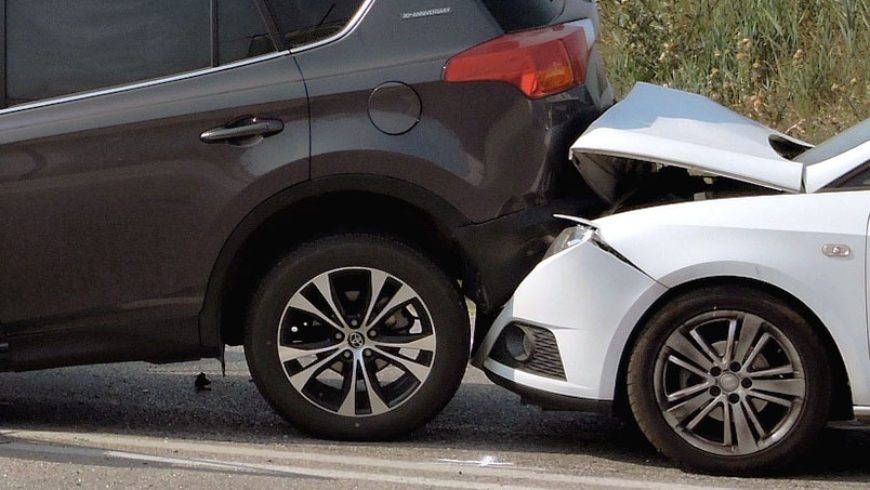
A car accident changes everything in seconds. One moment you’re driving normally, and the next you’re dealing with damage, injuries, and a flood of questions. Most people focus on the immediate, calling family, checking on passengers, waiting for police. What they don’t realize is that decisions made in those first 24 hours can determine whether their insurance claim succeeds or falls apart.
Insurers pay close attention to post-accident behavior. Delays, inconsistencies, and missing documentation all give them grounds to dispute or reduce what they owe you. Knowing what to do and acting fast makes a real difference.
Step One: Secure the Scene and Call for Help
The moment a collision happens, your priority is safety. Move to a safe location if possible, turn on hazard lights, and call 911 even if injuries seem minor. A police report creates an official record — one of the first things an insurance adjuster will request.
Don’t leave before officers arrive. Doing so can complicate your claim and may carry legal consequences. While you wait, collect the other driver’s name, license plate, and insurance details.
The First 24 Hours: What to Do and When
Here’s a practical breakdown of the actions that matter most:
| Time Frame | Action Required |
| At the scene | Call 911, photograph everything, exchange information |
| Within 1–2 hours | Seek medical evaluation, even without obvious symptoms |
| Within 6 hours | Notify your insurance company of the accident |
| Within 24 hours | Preserve all evidence, follow up on medical care, consult an attorney |
Every item on this list serves a purpose. Skipping even one can give the insurer grounds to challenge your claim.
Get Medical Attention — Even If You Feel Fine
This is the step most people skip, and it’s the one that costs them the most. After an accident, adrenaline masks pain. Whiplash, soft tissue injuries, and even mild concussions often don’t show symptoms until 24 to 72 hours later. By that point, if you haven’t seen a doctor, the insurer can argue your injuries weren’t caused by the accident.
Getting evaluated immediately creates a timestamped medical record tied directly to the crash. That documentation is often the backbone of a personal injury claim. Without it, you’re relying on your word alone — and insurers rarely take that at face value.
If you’re unsure whether your policy covers emergency medical costs after a crash, getting a free auto insurance quote to compare what different plans include is a smart move.
Document Everything at the Scene
Photographs taken right after a crash are some of the most powerful evidence you can gather. Before vehicles are moved, capture:
- All angles of every vehicle involved
- Skid marks, debris, and road conditions
- Traffic signs, signals, and intersections
- Any visible injuries on yourself or passengers
- Weather conditions and lighting
Beyond photos, write down your account of what happened as soon as possible. Memory fades quickly after a stressful event. If witnesses are present, collect their names and contact details before they leave.
Watch What You Say — to Everyone
At the scene, avoid apologizing or making statements like “I didn’t see you” or “I was going too fast.” These remarks can be interpreted as admissions of fault. Stick to the facts when speaking with police, and don’t offer opinions about who caused the accident.
The same caution applies when you report the crash to your insurer. Most policies require notification within a specific timeframe, so keep your statement factual and brief. Drivers in Greensboro who want solid coverage with clear claims guidance should explore best car insurance Greensboro NC options from a local agent who understands the area.
Preserve Physical and Financial Evidence
Don’t get your vehicle repaired until you’ve fully documented all damage. Once a car goes into the shop, that evidence is gone. Take photographs from every angle, and if possible, get an independent assessment before the insurance company sends their own appraiser.
Keep every receipt tied to the accident — towing fees, rental cars, medications, and medical co-pays. These build your documented financial loss and directly support your compensation request. Drivers looking to buy car insurance with stronger post-accident support should prioritize policies with rental reimbursement and gap coverage.
Think Carefully Before Accepting a Settlement
Insurance adjusters often reach out within days with a settlement offer. It feels like relief — but early offers are routinely lower than what victims are entitled to. Before signing anything, speak with a personal injury attorney. Most offer free consultations, and legal guidance can significantly shift the final outcome.
For anyone searching for Greensboro NC car insurance near me, now is a good time to review what your policy covers in an accident scenario. Requesting car insurance quotes Greensboro NC from multiple providers lets you compare real protection side by side. And if budget is a concern, cheap car insurance Greensboro NC plans are available that still offer solid accident coverage — you just need to know what to look for.
Final Thoughts
The first 24 hours after a car accident aren’t just about recovery — they’re about building the foundation of your claim. Every action you take, every document you preserve, and every statement you make shapes what comes next. Act with urgency, and you give yourself the best possible shot at a fair outcome.


More Stories
Insurance Claims Processing and the Power of Predictive Analysis